When someone you care about is struggling with addiction, mental health challenges, or destructive behaviors, the natural instinct is often to help. Family members and close friends want to provide support, protection, and encouragement during difficult times. However, there is an important difference between helping a loved one and unintentionally enabling behaviors that prevent meaningful change.
Recognizing this distinction can be one of the most important steps families take when supporting someone in crisis.
What Does It Mean to Help?
Helping involves providing support that encourages accountability, growth, and recovery. Healthy support empowers individuals to take responsibility for their choices while offering guidance and encouragement throughout the process.
Examples of helping may include:
- Encouraging professional treatment
- Providing emotional support
- Participating in family counseling
- Offering transportation to appointments
- Celebrating progress and positive decisions
- Establishing healthy boundaries
Helping focuses on long-term well-being rather than temporary relief from consequences.
What Is Enabling?
Enabling occurs when actions unintentionally protect a person from experiencing the natural consequences of their behavior. While these actions often come from a place of love and concern, they can sometimes make it easier for harmful patterns to continue.
Examples of enabling behaviors may include:
- Making excuses for destructive actions
- Repeatedly providing financial support without accountability
- Covering up problems from employers or family members
- Ignoring harmful behavior to avoid conflict
- Taking responsibility for problems caused by the individual
Although these actions may provide short-term comfort, they can delay the recognition that professional help is needed.
Why Families Often Struggle With Boundaries
Families facing addiction or mental health challenges often experience fear, guilt, frustration, and uncertainty. Many worry that setting boundaries may damage relationships or make situations worse.
In reality, healthy boundaries are often an important part of recovery. Boundaries communicate expectations while protecting the emotional well-being of everyone involved.
Establishing boundaries does not mean abandoning a loved one. Instead, it creates a framework that supports accountability and positive change.
The Emotional Impact on Families
When a loved one is struggling, the entire family is affected. Relationships may become strained, communication can break down, and family members often experience significant emotional stress.
Over time, family members may find themselves constantly reacting to crises, feeling exhausted, overwhelmed, or uncertain about what to do next.
Professional intervention support can help families regain clarity, improve communication, and develop strategies for navigating these difficult situations.
When Professional Guidance Can Help
Many families reach a point where they feel stuck. Despite their best efforts, the situation may continue to worsen or remain unchanged.
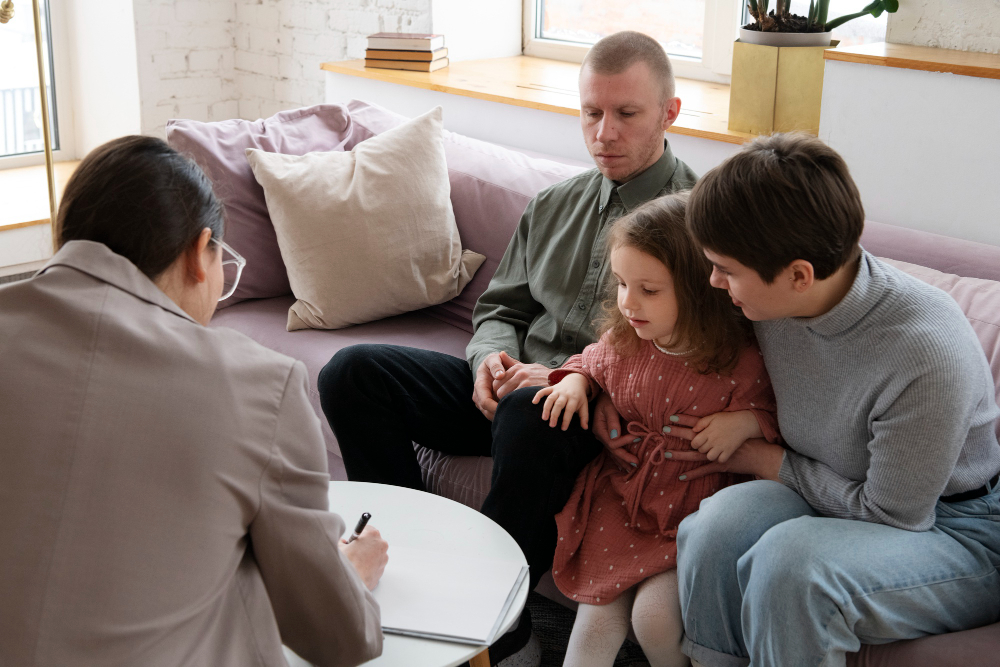
Professional intervention specialists provide an objective perspective and help families create a structured plan for encouraging treatment and recovery. They can guide conversations, facilitate interventions, and help family members understand how their actions may be affecting the situation.
Having experienced support often helps reduce confusion and provides families with practical tools for moving forward.
Creating a Path Toward Positive Change
Recovery and personal growth often begin when individuals recognize the need for help and take responsibility for their actions. Families play a critical role in this process by providing support while maintaining healthy boundaries.
By shifting from enabling behaviors to supportive actions, families can create an environment that encourages accountability, treatment, and lasting change.
While every situation is unique, understanding the difference between helping and enabling can be a powerful step toward healing for everyone involved.
Final Thoughts
Supporting a loved one through addiction, mental health struggles, or other life challenges is never easy. The line between helping and enabling can sometimes be difficult to recognize, especially when emotions are involved.
However, healthy support, clear boundaries, and professional guidance can make a significant difference. Families who learn how to encourage positive change while protecting their own well-being are often better positioned to help their loved ones move toward recovery and a healthier future.
Need Professional Intervention Support?
SM Interventions provides compassionate, personalized intervention services designed to help families navigate difficult situations and encourage meaningful change. Our experienced team works closely with families to create supportive, structured approaches that promote healing, accountability, and recovery.
Contact SM Interventions today to learn how professional intervention services can help your family take the next step toward hope and lasting change.
SM Interventions
Website: www.sminterventions.com